


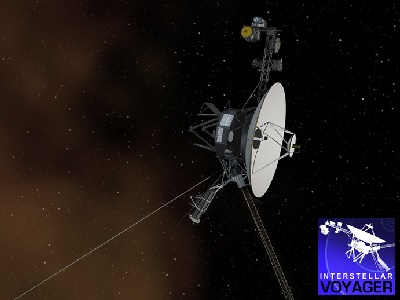
Check out resources from our Affiliates!
Global locations of visitors using this page right now
Welcome to Windows to the Universe - your portal to discovery! Explore the wealth of information available here to learn about the Earth and Space sciences and related topics in the humanities including mythology, art, poetry, and more.
Our mobile website version is available now on your phone's web browser and give us feedback.NEW Subscription Opportunities for Educators and their Students! - Classroom, School, and District Subscription Options.
Windows to the Universe Professional Development - On-site, in your school - find out more about this opportunity here. Information about our upcoming workshops and events is available on our Teacher Resources/Workshops page.
What's New on the Site?
When Nature Strikes - Earthquakes
When Nature Strikes - Volcanoes
When Nature Strikes: Tsunami Classroom Activity
When Nature Strikes: Wildfires - Why are they a challenge to stop?
Windows to the Universe Community | |
News | Opportunities |





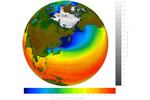
New Computer Model Advances Climate Change Research
The new Community Earth System Model will allow scientists to study climate change in more detail than ever before ...Read moreBrought to you by NSF
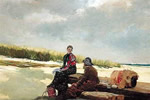
Clouds in Art
Landscape painters have been representing clouds in their art for centuries. Different artists with different styles have painted clouds differently. Check out the Clouds in Art Interactive ...Read moreBrought to you by CMMAP
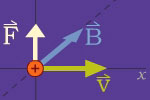
Physics of Space Weather
The science of physics plays a key role in many space weather phenomena. Charged particles, magnetic fields, forces and motion, and the electromagnetic spectrum are all part of space weather ...Read moreBrought to you by CISM

Atmospheric Optics
Atmospheric optics shows us how light behaves as it passes through the atmosphere. From rainbows to the northern lights, these optical features allow us to learn about atmospheric conditions ...Read more
Historical Events
Full Earth and Space Science History Calendar (Members only)
Teacher Opportunities
Full Teacher Events Calendar (Educator Members only)
Buried Treasure!
Trans-Neptunian Objects (TNO)
The outer edge of our Solar System is not empty. There are many huge spheres of rock and ice out near...Read more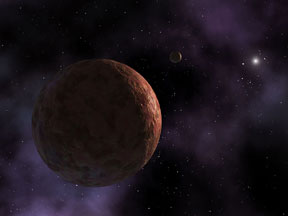
Please log in
Science Blogs
Real Climate: climate science from climate scientists

Windows to the Universe, a project of the National Earth Science Teachers Association, is sponsored in part is sponsored in part through grants from federal agencies (NASA and NOAA), and partnerships with affiliated organizations, including the American Geophysical Union, the Howard Hughes Medical Institute, the Earth System Information Partnership, the American Meteorological Society, the National Center for Science Education, and TERC. The American Geophysical Union and the American Geosciences Institute are Windows to the Universe Founding Partners. NESTA welcomes new Institutional Affiliates in support of our ongoing programs, as well as collaborations on new projects. Contact NESTA for more information.
