

Mercurio
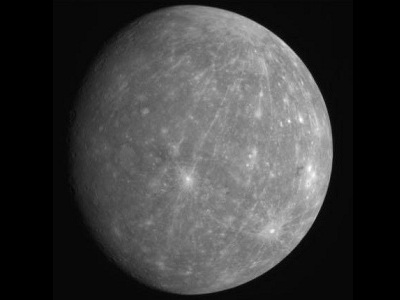
Mercurio, el planeta más cercano al Sol, es el planeta más pequeño del Sistema Solar. Es un poco más grande que la luna de la Tierra, y su superficie está cubierta de cráteres. Este diminuto planeta no tiene lunas o anillos.
Visite otro planeta: Mercurio, Venus, Tierra, Marte, Júpiter, Saturno, Urano, Neptuno, Planetas enanos
Paginas recien traducidas
Planeta Cambiante: Cambiando los Genes de los Mosquitos
Comunidad de Ventanas al Universo | |
Noticias | Oportunidades |





Explore Mercurio

Interior y Superficie de Mercurio
Mercurio, el planeta más interno del Sistema Solar, es sólo un poco más grande que la luna ...Lea más
Atmósfera de Mercurio
Hasta la fecha, las observaciones de Mercurio hechas desde observatorios terrestres y desde ...Lea más
Magnetosfera de Mercurio
Mercurio es el único planeta interior que, además de la Tierra, tiene un campo magnético significativo ...Lea más
Polos de Mercurio
Si Urano es el "planeta inclinado"; Mercurio podría llamarse el "planeta derecho". El eje de ...Lea más
Datos Planetarios
Toda la información relevante sobre Mercurio en una página, incluyendo detalles sobre tamaño y orbita ...Lea más


Enslaces Sobre Mercurio
Aquí encontrarás maravillosos enlaces hacia otros sitios de Mercurio en la Internet. ¡Pero ...Lea másMás sobre Mercurio
- Últimas Noticias de Mercurio
- Descubrimiento de Mercurio
Global locations of visitors using this page right now
Historical Events
Full Earth and Space Science History Calendar (Members only)
Teacher Opportunities
Full Teacher Events Calendar (Educator Members only)
¿Sabías que...?
Concepto del Día de ciencias de la Tierra y el Espacio
¿Sabe qué significa esta palabra o frase?Onda-p
xOnda-p : Onda de compresión (o presión) en la superficie de la Tierra que mueve el suelo adelante y atrás en la misma dirección y en dirección opuesta a la dirección en que se mueve la onda.
¡Haga click sobre ella!
Investigaciones a Destacar
Se Investigan Causas de Erupciones Volcánicas en Mount Hood de Oregón.
Un nuevo estudio ha encontrado que la mezcla de dos tipos diferentes de magma es la clave para las erupciones históricas de Mount Hood, la montaña más alta de Oregón, y que las erupciones ocurren frecuentemente...Lea más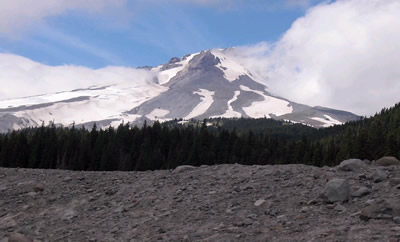
Entre su Información
Blogs Científicos
Clima verdadero: ciencia del clima por científicos del clima
Aprendizaje y observaciones globales para beneficiar al medioambiente

Ventanas al Universo, un proyecto de la Asociación Nacional de Maestros de Ciencias de la Tierra, es patrocinado parcialmente por la Fundación Nacional para las Ciencias y NASA, nuestros Socios Fundadores (la Unión Geofísica Americana y el Instituto Americano de Geociencias) al igual que nuestros Socios Institucionales, Contribuyentes, y Afiliados, membresía individual y generosos donantes. ¡Gracias por su apoyo!
