These images show: a tornado, a radar image of a tornado, places where it is dangerous to be during a tornado, and a weather radio.
Courtesy of NOAA Photo Library, NOAA Central Library; OAR/ERL/National Severe Storms Laboratory (NSSL), National Weather Service Forecast Office of Paducah, Kentucky, Alicia Pearce, Vanessa Pearce
Tornado Safety
It is important to be ready for tornadoes because they are very dangerous. You and your family should make a plan for where you should go to be safe if there is a tornado where you are. Most places like schools, shopping malls, hospitals, and office buildings have a plan for a safe place where people can go during a tornado. It is a good idea to practice for a tornado. This is called a tornado drill. Also, before going outside, you should check the weather or the forecast.
A basement can provide a great shelter when there is a tornado warning. If a building or house does not have a basement, then a bathroom or closet in the center of the house on the first floor will work. It is important that you and your family stay away from windows. Everyone should be crouched on the ground as low as possible, facing down, and covering their heads.
Automobiles and mobile homes are unsafe places to be during a tornado. If you are outside or in a vehicle, then go to a nearby ditch and lie flat. Only go into a ditch if you can't find a sturdy building nearby. Bridges are not sturdy buildings.
Make sure to be on the lookout for any bad weather in the area. Tune into local television stations for the latest updates on tornado watches or warnings.
You might also be interested in:
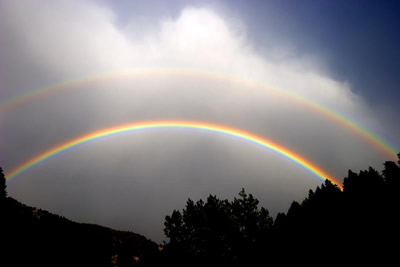
Rainbows appear in the sky when there is bright sunlight and rain. Sunlight is known as visible or white light and is actually a mixture of colors. The sun's rays pass through millions of raindrops. A
...more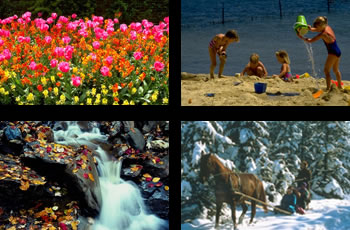
It takes the Earth one year to travel around the sun one time. During this year, there are four seasons: summer, autumn, winter, and spring. Each season depends on the amount of sunlight reaching the
...more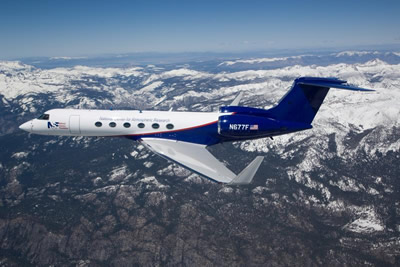
Scientists sometimes travel in airplanes that carry weather instruments in order to gather data about the atmosphere. These research aircraft bring air from the outside into the plane so scientists can
...more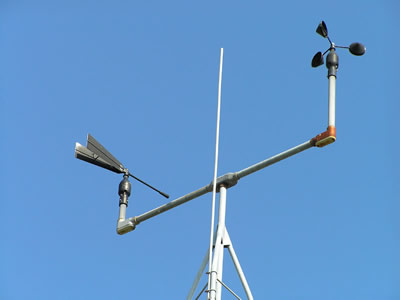
An anemometer is a weather instrument used to measure the wind (it can also be called a wind gauge). These instruments can be used in a backyard weather station or on a well-equipped scientific research
...more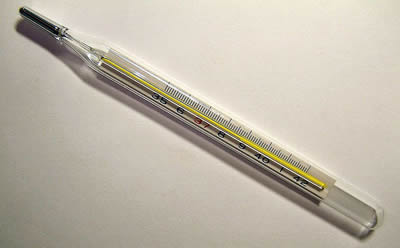
Thermometers measure temperature. "Thermo" means heat and "meter" means to measure. You can use a thermometer to measure the temperature of many things, including the temperature of
...more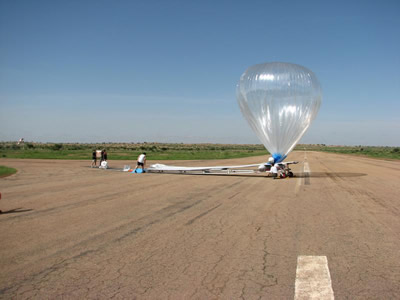
Weather balloons are used to carry weather instruments that measure temperature, pressure, humidity, and winds in the atmosphere. The information collected from the instruments on weather balloons are
...more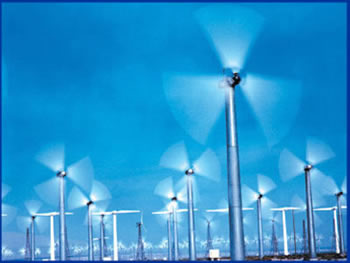
Wind is moving air. Warm air rises, and cool air comes in to take its place. This movement creates the winds around the globe. Winds move at different speeds and have different names based on their speed.
...more